Rodent Exclusion Services
In Salinas, you need pest elimination and rodent control that matches seasonal ant, roach, spider, and rodent activity from agriculture, humidity, and temperature shifts. You should expect a complete documented inspection, species identification, exclusion review, and tracking plan before any treatment starts. Rapid service helps you minimize contamination, protect wiring and food storage, and prevent escalation into walls or crawlspaces. Certified compliant providers also document baiting, sealing, sanitation corrections, and return visit timing so you can see what comes next.
Essential Takeaways
- Salinas properties commonly experience ants, cockroaches, spiders, earwigs, and rodents due to coastal temperatures, farming, irrigation, and seasonal harvest activity.
- Effective pest control begins with documented inspections identifying species, entry points, moisture sources, harborage zones, and hygiene risks.
- Urgent rodent treatment is needed for fresh droppings, gnaw marks, scratching noises, grease trails, nesting debris, or daytime sightings.
- Rodent prevention combines exclusion, tamper-resistant bait stations, monitoring, vegetation trimming, waste control, and moisture reduction around structures.
- Ongoing quarterly and seasonal inspections support verify barriers, track pest pressure, and adjust treatments before infestations escalate.
Key Pest and Rodent Challenges in Salinas
Salinas offers specific factors with its heavy agricultural work, moderate coastal weather, and seasonal precipitation that amplify your chance of ongoing pest and rodent challenges year-round. Local factors sustain ants, cockroaches, spiders, earwigs, and commensal rodents that target food handling areas, irrigation zones, crawlspaces, and wall voids. You deal with Seasonal activity increases as temperature shifts, harvest cycles, and rainfall patterns change harborage and foraging patterns.
To lower susceptibility, you should identify Rodent attractants quickly and address property, sanitation, and moisture problems before populations establish. All of these elements—unsealed utility penetrations, thick vegetation near foundations, standing water, and poorly managed waste handling—raise site vulnerability. Exclusion, habitat modification, monitoring, and documentation should be stressed in a compliance-focused prevention plan, specifically for food-related properties under health, safety, and audit regulations in commercial and residential settings.
Signs You Need Rodent Pest Control Right Away
Typically, rodent issues becomes urgent when you notice recent droppings, rub marks along baseboards, bite damage on containers or wiring, scurrying in walls, or a intense ammonia-like smell in closed spaces.
You should also watch for harborage debris, chewed paper, gnawed insulation, and rub marks near pipe penetrations. If you detect burrows near foundations, oil trails in basements, or tracks around pantry items, your barrier controls probably aren't operating to specification. Pet food damage, worn door sweeps, and deteriorated vent screens signal current access points that need immediate correction. You shouldn't disregard daytime sightings either; they frequently signal population pressure and reduced harborage. Prompt evaluation helps you document entry routes, verify sanitation deficiencies, and implement compliant corrective actions before property vulnerabilities and contamination issues escalate throughout your property further.
Why Fast Pest Control Is Important in Salinas
When pests establish a presence in Salinas, they can swiftly impact food storage areas, deteriorate insulation and wiring, and increase your risk to contamination dangers that impact both occupancy requirements and regular operations.
You need fast response because local seasonal conditions can increase breeding cycles, send rodents indoors, and increase insect pressure near moisture, crops, and storage areas. Swift action permits you minimize structural damage, stop droppings and nesting matter from dispersing, and minimize the risk of failed inspections or interrupted workflows. It also supports sanitation programs by locating entry points soon, safeguarding inventory, and keeping your property consistent with health, safety, and facility maintenance regulations year-round in Salinas' shifting conditions.
What You Can Expect From Pest Control Treatment
Fast response lays the foundation for efficient treatment, but you should also understand what the service itself includes. Your technician typically starts with a documented inspection to pinpoint pest species, entry conditions, moisture sources, harborage areas, and activity patterns. That assessment supports a treatment plan compliant with label requirements, local regulations, and site-specific risk factors.
You can anticipate targeted applications rather than overuse of product use. Technicians may use spot treatments, baits, monitors, and exclusion recommendations where suitable. They should clarify reentry intervals, ventilation needs, sanitation steps, and follow-up timing. If you're managing seasonal infestations, they'll adjust scheduling and product selection to match pest pressure and environmental conditions. Transparent communication about pet safety counts too, so you should obtain instructions for keeping animals away from treated areas until products have dried or settled.
What Rodent Prevention Services Cover
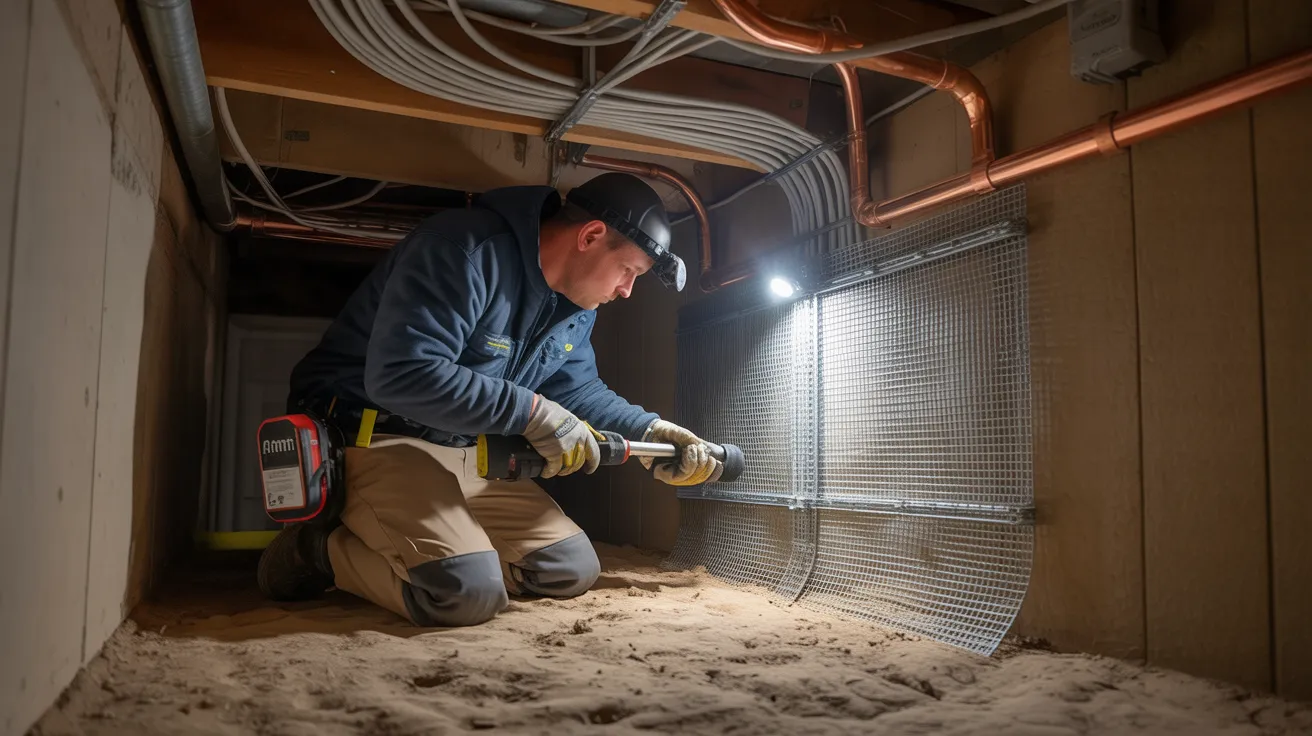
How do rodent control services reduce repeated activity before it becomes an infestation? You receive a thorough inspection that identifies entry points, moisture sources, nesting zones, and food access. Technicians record risks, map vulnerable gaps, and verify sanitation conditions against current exclusion and safety standards. They install blockers at utility penetrations, door sweeps, crawlspace vents, and roofing intersections, including attic sealing where needed. You also get trap placement plans designed for monitoring, not just elimination.
Prevention services also include habitat correction and material recommendations that support continuous see this control. You may need vegetation trimming, storage adjustments, waste containment upgrades, and drainage protections. Providers often apply pet safe repellents in targeted areas and use tamper resistant devices where regulations mandate them. Clear reporting helps you track conditions, corrections, and compliance over time.
When Rodent Service Should Be Booked
Effective scheduling works before activity escalates from individual signs to active harborage. You should schedule service when observation shows droppings, rub marks, gnawing, nesting debris, grease trails, or persistent insect occurrences. Rapid intervention minimizes contamination dangers, protects food-storage areas, and maintains sanitation compliance in homes, rentals, and commercial facilities.
You should also implement seasonal scheduling to match pest pressure cycles. In Salinas, schedule inspections before spring breeding accelerates, before summer ant and fly activity increases, and before fall rodents pursue indoor shelter. After storms, plumbing leaks, construction, vacancy, or tenant turnover, book another inspection because property gaps and moisture often create new entry points. Keep emergency readiness by scheduling immediate service if you detect sudden daytime rodent activity, wasp nesting near entrances, or pests in sensitive locations.
How to Choose a Pest Control Service
You'll want to check that any pest control business you employ possesses valid state licensing and relevant certifications, as regulatory compliance directly determines security, legality, and service standards. It's also wise that the provider outline its treatment techniques clearly, including target pests, application processes, reentry intervals, and any essential preventive precautions. If the service presents credentials and explains protocols in plain terms, you can make a safer, more educated decision.
Licensing And Credentials
Credentials are important because pest control work involves restricted chemicals, application guidelines, and formal safety procedures. You need to check that any provider holds a legitimate state license for California and can display current registration, operator classification, and proof of insurance. Verify whether technicians receive continuous compliance training and whether supervisors document inspections, corrective actions, and service records properly.
You should also check for industry certifications that demonstrate independent standards beyond minimum licensing. Reputable companies typically maintain training through recognized associations and follow written safety protocols, pesticide handling requirements, and recordkeeping rules. Ensure that the company can furnish Safety Data Sheets, employee qualification records, and renewal dates for all credentials. When you choose a licensed, certified service provider, you decrease regulatory risk and strengthen accountability for your property.
Explained Treatment Procedures
Once licensing and certifications are verified, your immediate task is copyrightining how a company handles and prevents pest problems. Ask for a written treatment document that specifies target pests, application zones, active ingredients, and required reentry periods. Inspection findings, sanitation improvements, exclusion measures, and monitoring plans will be outlined by a responsible provider before deploying products.
You need to also compare control tools and their limitations. Integrated baits can facilitate targeted rodent control when placement adheres to label directions and tamper-resistant station requirements. While ultrasonic repellents may provide limited supplemental benefit, they shouldn't substitute for trapping, sealing entry points, or documented habitat alteration. Choose a company that uses minimal-risk methods first, maintains service records, and adapts treatments based on pest pressure, occupancy, and environmental conditions to lower recurrence and protect your property.
How Continuous Pest Prevention Works
You keep control through implementing a well-defined prevention plan with planned property inspections that detect risk conditions before they intensify. You minimize pest pressure via targeted preventive treatments that comply with site conditions, product labels, and appropriate safety requirements. You also strengthen long-term rodent prevention through exclusion monitoring, which confirms that seals, barriers, and entry-point controls remain effective.
Periodic Property Inspection Services
Property inspections performed on a fixed schedule sustain proactive pest prevention by recognizing elements that support rodent activity before infractions or infestations arise.
You establish greater control by cataloging entry points, moisture sources, harborage zones, sanitation gaps, and structural deficiencies using a fixed inspection calendar.
Quarterly inspections enable you ensure that exclusion measures remain intact, waste handling meets site standards, and exterior conditions don't invite nesting.
Conducting seasonal surveys enables you monitor shifting pressure as temperatures, irrigation patterns, and food availability change across your property.
You can compare findings over time, prioritize corrective actions, and support compliance with health, safety, and facility maintenance requirements.
Maintaining consistent inspections establishes a verifiable record, which enables you to prove due diligence, decrease risk exposure, and act faster when early warning signs emerge during routine reviews.
Targeted Preventive Treatments
Targeted preventive treatments combined with inspection findings permit you to tackle rodent pressure at particular risk points before activity intensifies. You apply controls where conditions support harborage, feeding, or travel, using a documented plan coordinated with site use, sanitation standards, and label requirements. This approach lets you reduce attractants while maintaining reliable protection.
You can place tamper-resistant bait stations in permitted exterior zones, switch materials when needed, and check placement against safety and regulatory criteria. Inside and outside, you reinforce control results through habitat modification, including vegetation control, clutter removal, moisture correction, and waste management enhancements. By managing conducive conditions and maintaining treatment intervals, you decrease rodent pressure proactively, enhance audit readiness, and help keep your property operating within health and safety expectations year-round.
Oversight of Rodent Exclusion
Sustaining rodent exclusion requires monitoring that ensures barriers remain intact, effective, and compliant as structure conditions change. You need scheduled inspections that confirm door sweeps, vent screens, pipe seals, and exterior gaps still satisfy performance standards after weather, sanitation activity, and routine maintenance affect assemblies.
Rodent proofing audits with written checklists, photo records, and corrective action timelines should be implemented. These reviews help you to track exclusion integrity, detect new vulnerabilities, and verify repairs meet site-specific risk thresholds. Trend data from trap checks, gnaw marks, droppings, and rub paths helps validate that exclusion measures remain effective. When construction, landscaping, or utility work alters the structure, you must reevaluate entry points immediately. Consistent monitoring supports compliance, reduces reinfestation risk, and keeps your prevention program defensible during inspections.
FAQ: Popular Questions
Are Pest Management Treatments Secure for Household Pets and Small Children?
For the most part, yes—pest control treatments can be safe for animals and little children when you comply with product instructions carefully. You should verify pet safety protocols, minimize children's exposure during application, and follow reentry intervals. Ask for EPA-registered solutions, precise application, and minimal-toxicity formulations. You'll also decrease risk by aerating treated areas, storing products safely, and implementing preventive steps like sealing entry points and removing food and water sources.
Do You Feature Eco-Friendly or Minimal-Toxicity Pest Control Options?
Certainly, you can select eco-friendly or minimal-toxicity pest control alternatives. You'll obtain comprehensive services that prioritize botanical repellents, organic formulations, focused applications, and contact-limiting methods. Your service provider should comply with product guidelines, EPA guidelines, and site-specific safety evaluations to ensure adherence and efficacy. You can also improve prevention with exclusion, hygiene practices, humidity management, and inspection, which lower pest pressure while limiting chemical use and supporting lasting treatment success.
How Long Should I Remain Out After a Pest Treatment?
You must stay out until treated rooms have clean, circulating air rather than a confined environment—usually two to four hours, although certain formulations need additional time. Always follow the product's reentry time to the letter. Verify ventilation needs, unseal windows if instructed, and ensure animals and kids out as well. If you sense residue, remain out more time. Your technician should supply product-specific clearance instructions, and you should treat those as mandatory.
Will Pest Control Treatments Impact My Garden or Landscaping?
Yes, pest control services can influence your garden or landscaping if professionals don't follow plant safe practices. You should insist on specific applications, buffer zones, and label-compliant treatments to minimize exposure. Weather-related adjustments are crucial because weather conditions, rainfall, and plant growth alter treatment behavior. You can safeguard beds by protecting sensitive plants, delaying irrigation until cleared, and checking the provider records drift prevention, drainage control, and reentry guidance for landscaping areas.
Do You Offer Complimentary Inspections or Written Service Cost Breakdowns?
Yes, you have the option to request cost-free property assessments and written service projections before any service begins. You get a comprehensive assessment that describes pest activity, entry points, risk conditions, and proposed corrective actions. This process allows you check scope, treatment protocols, and compliance requirements upfront. You can evaluate findings, evaluate service options, and accept only the work you need. That ensures you improved oversight, better preventive planning, and stronger cost control.
Closing Remarks
In Salinas, pest and rodent control should not be viewed as discretionary maintenance. You demand prompt response, strategic treatment, and verified prevention that closes entry points before infestations escalate. A licensed provider will inspect, treat, supervise, and modify service based on risk, season, and property conditions. Think of prevention as a barrier for your property: when it's built correctly, it halts costly breaches before they spread. Set up service early, remain compliance, and safeguard your property year-round.